
Rome, 5 March 2026
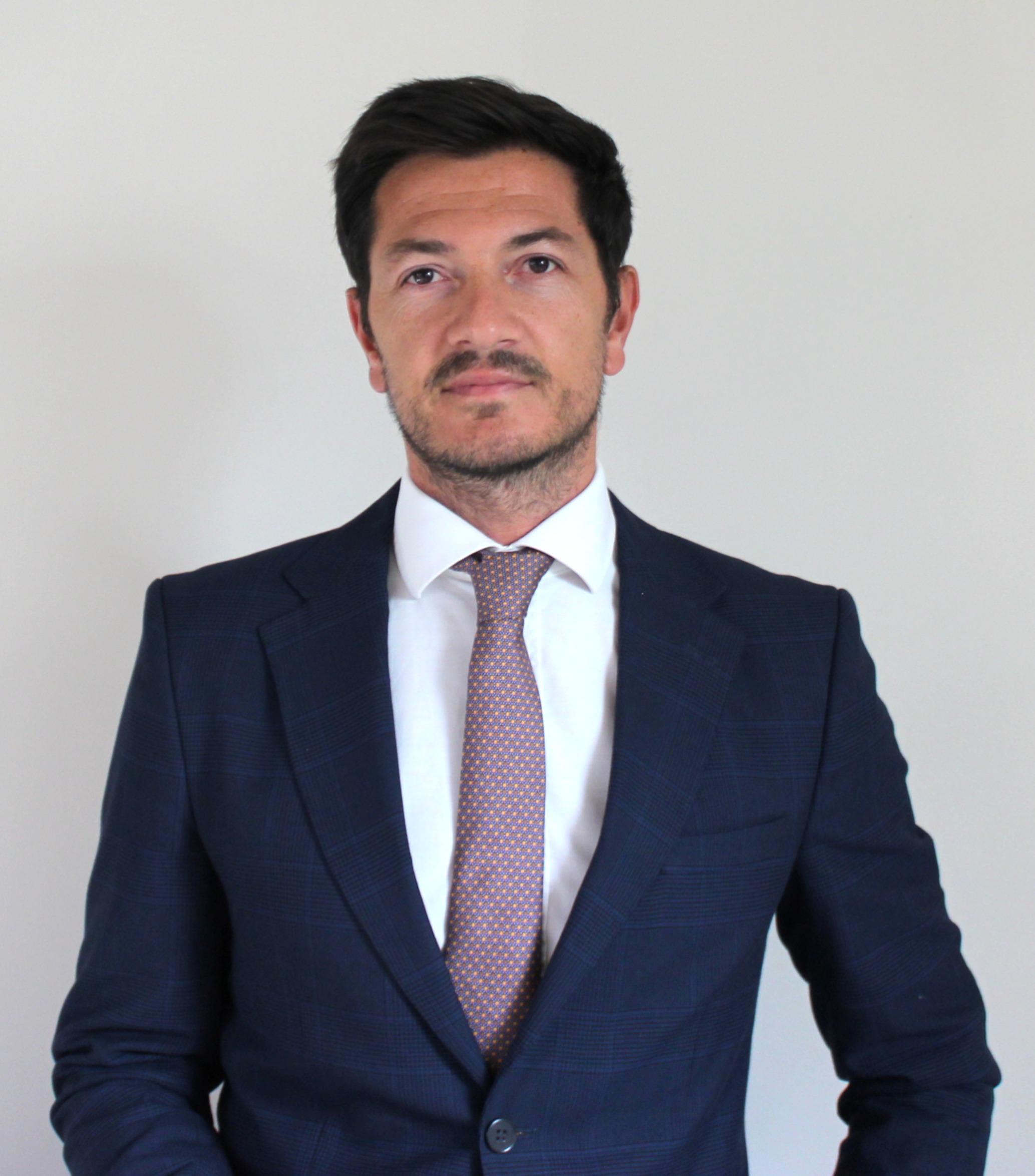
Interview with... Enrico Parini
CANSO Director European Affairs
[Cleared n°2 - anno XXIII - February 2026]


CANSO is facing important challenges to prepare for the future. What is your view on the ATM in Europe, what are the burning issues and what are your priorities?
There’s no doubt that pressure on the ATM industry has been growing rapidly. Until a few years ago, the main request from institutions and from our customers – the airlines – was to reduce costs. This had clear shortcomings, making it hard for ANSPs to ensure the necessary growth in capacity to match increased traffic, and to invest in new technologies.
Then a heightened focus emerged on sustainability. ANSPs have always been determined to reduce their environmental impact by addressing operational and non-operational-related emissions. However, within the current regulatory framework they are measured against elements that are often outside their control, and this will need to change in the future.
Furthermore, as we were focused on efficient, innovative and green solutions, the COVID-19 crisis struck, highlighting the need for a more resilient European ATM network. The need for resilience was reaffirmed once more with the advent of the conflict in Ukraine, which showed the importance of civil-military coordination.
But challenges can be turned into opportunities. As ANSPs are asked to ensure sustainability, resilience and capacity, we are also working hard to make sure that we can accommodate new and emerging users, like drones and higher airspace operations.
I am confident that ANSPs are ready to and can excel in all these areas. When it comes to new technologies, including elements of automation and AI, we will always need to consider the evolving role of humans in the aviation system.
CANSO’s over-riding goal is to help ensure ANSPs are best equipped to succeed in all these areas.
A new CANSO Europe Vision has been recently published. Could you describe the key pillars of CANSO action for the coming years?
The update of the CANSO Europe 2035 Vision was already in the works before I joined CANSO. I was, however, pleased to see that CANSO Members were ready to reconsider and update some elements which were not mature when the first version was launched in 2019. In the updated Vision, we strengthened our focus on the challenges I mentioned earlier – new technologies, integrating new airspace users, civil-military cooperation, resilience, and the role of the human. Implementing all these elements will require a flexible and future-proof regulatory and financial framework that can allow the whole aviation sector to grow by facilitating investments.
The publication of the Vision is timely considering the ongoing EU discussions on technical issues like the revision of the regulation on the Network Functions, the activities related to the future of the ATCO training and licensing, and the upcoming new regulation related to ATM performance and charging (RP5). In broader terms, the Vision is also timely input for the upcoming Aviation and Aeronautical Strategy that the Commission will present later this year, in which Europe’s competitiveness and strategic autonomy will be in the spotlight. These elements are shared by our members who see it as a key reference for their activities. Our ambition is to have this Vision be a key input to these important institutional initiatives.
ENAV has been working hard to develop innovative business models, which is also at the heart of the new CANSO Vision. Do you think it is the right direction for ANSPs determined to create opportunities and improve the services provided?
Yes, absolutely. The activities undertaken by ENAV, particularly your involvement in the entire SESAR innovation cycle, from Research & Development (SESAR 3 JU) to deployment (SESAR DM), have the potential to pave the way for a sustainable, safer, more resilient, and more efficient ATM. These initiatives are fully in line with the expectations from the airlines, institutions and passengers toward the future of aviation.
Other initiatives of interest include your local project on remote towers - which many ANSPs are looking at with great interest, your Carbon Neutrality strategy, the ongoing activities related to the Spaceport in Grottaglie and your activism in the drone service market.
I think it’s also important to consider cross-industry initiatives, such as close cooperation between civil and military, the power of which I witnessed first-hand when I was working for the European Defence Agency, and in the National Airspace Strategy developed with IATA and Enac. I remember when some of these initiatives were at an embryonic stage and it is remarkable to see that they were not just aspirations, but that they have become a reality and are often a benchmark for other aviation stakeholders.
CANSO relies heavily on lessons learned and best practices at a local level, and so it is important for us to have active members like ENAV contributing to our work. We are grateful to all our colleagues in ENAV for their support on so many topics which will help shape our future skies.